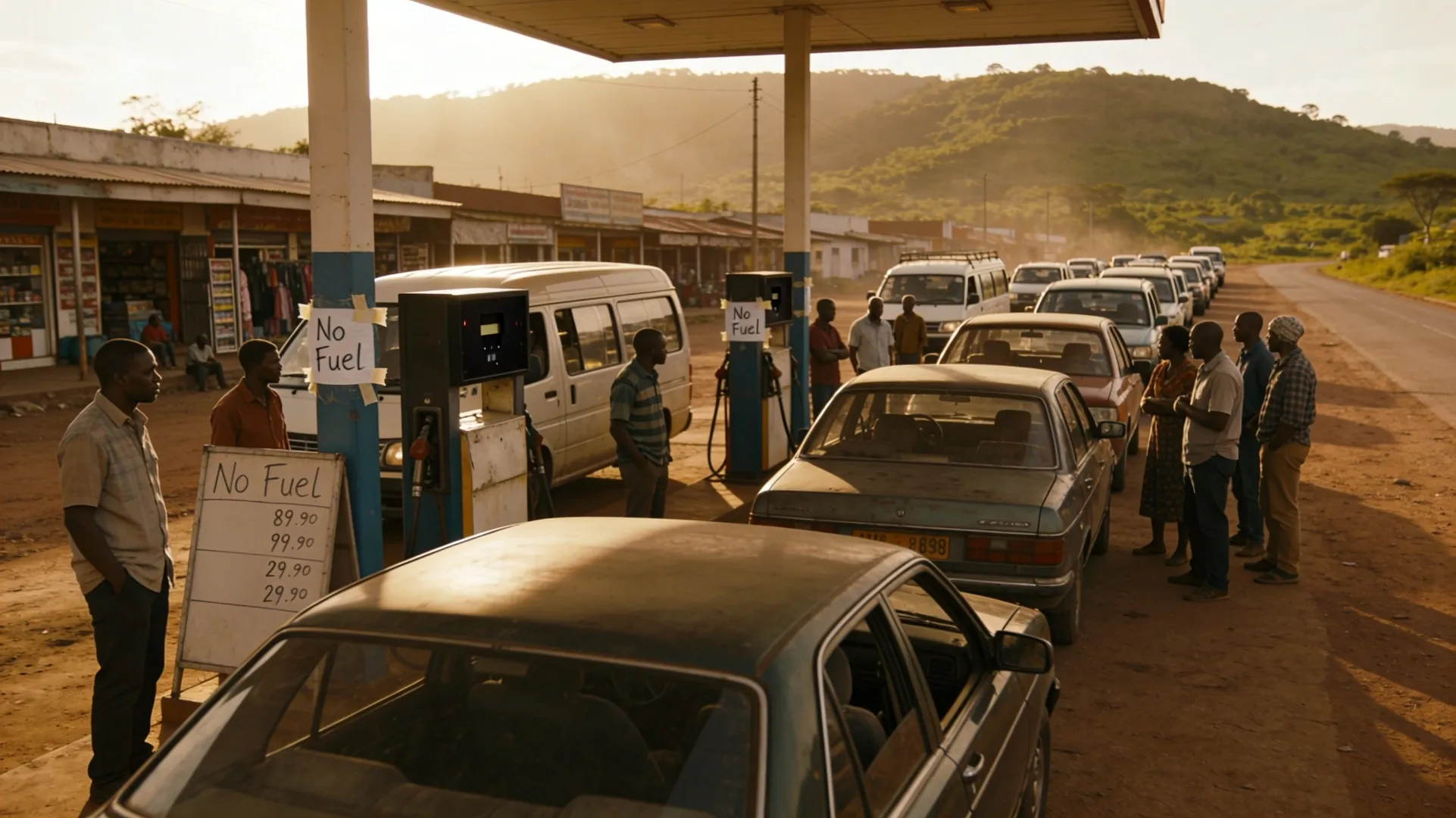
In Uganda’s border districts, drivers wake up to dry pumps, long queues, and prices that climb by the day, even as officials insist the country has enough fuel. Cheap Ugandan fuel is being hunted down by traders and motorists from Kenya, DR Congo, and South Sudan, while bottlenecks at Mombasa, fuel diversion to more lucrative markets, and shameless hoarding by some station owners quietly squeeze local communities. For ordinary families in Tororo, Busia, and Arua, every extra shilling at the pump now feels like a tax on survival, turning a regional fuel game into a daily fight just to get to work, to school, or to the hospital
What's happening:
-
Border areas like Tororo, Busia, and Arua are seeing long queues, empty pumps, and higher prices, while the government maintains that countrywide fuel supply levels are adequate.
-
The problem is concentrated at the local distribution level rather than being a national shortage of fuel.
Five main reasons
-
Cross‑border demand
-
Buyers from Kenya, eastern DRC, and South Sudan cross into Uganda to purchase fuel because it is relatively cheaper and more stable there.
-
Higher prices in those countries, sometimes over Shs7,000–Shs9,000 per litre in South Sudan, make Uganda’s fuel attractive and increase pressure on border‑area stations.
-
-
Price differences between countries
-
Kenya’s regulated pump prices are generally higher than Uganda’s for both petrol and diesel, especially in remote areas.
-
Even a few hundred shillings difference per litre creates profitable arbitrage, drawing in traders and motorists to stock up in Ugandan border towns.
-
-
Delays at Mombasa Port
-
Uganda’s fuel imports through Kenya’s Port of Mombasa have faced discharge limits, with only about 58,000 of 115,000 metric tonnes allowed to offload from a recent cargo.
-
These restrictions slow deliveries to inland depots, tightening supply just as cross‑border demand rises.
-
-
Fuel swapping and diversion
-
Some oil marketing companies reportedly divert or “swap” fuel allocated to Uganda into Kenya, where profit margins can be better.
-
Fuel intended for retail in Uganda is sometimes redirected through commercial channels, reducing volumes reaching local pumps in border districts.
-
-
Hoarding and opportunistic pricing
-
Some smaller dealers are allegedly holding back fuel to sell later at higher prices as the situation worsens.
-
The Uganda National Oil Company says its wholesale prices have not gone up, raising concerns that some retail price hikes are unjustified
-


